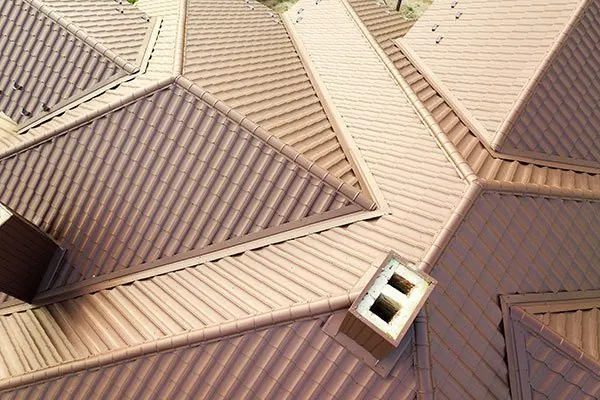
Colorbond roofing in Perth
Colorbond roofing is pre-painted steel sheeting made by BlueScope, used on new homes, tile-to-steel conversions, extensions, patios and commercial buildings. Roofing Perth arranges Colorbond roofing across the Perth metro area through independent local roofing contractors. They inspect the roof, talk through colour, profile and grade, and put the full scope in writing.
Why so many Perth homes are going steel
- Weight. Steel is a fraction of the weight of tile, so it suits older frames and second-storey additions.
- Low pitches. Modern Perth homes often have shallow skillion roofs that tiles cannot cover.
- Fewer joins. Long sheets have far fewer joins for wind-driven winter rain to find.
- Heat. Light colours with high solar reflectance reduce heat soaking into the roof space during long hot spells.
- Speed. A steel roof usually goes on faster than tiles, which matters when winter weather is coming.
Choosing a colour
Colour affects heat, glare, dirt and street appeal. Lighter shades reflect more sun; darker shades hide dust and lichen better but absorb more heat. If your neighbours face your roof from a second storey, consider glare from very light colours. Some estates, strata schemes and heritage areas restrict colours, so check before ordering. Our Colorbond colours guide compares the popular options for Perth.
Choosing a grade
Standard Colorbond steel suits most of the metro area. Close to the coast, salt-laden air calls for a more corrosion-resistant grade. BlueScope's own guidance sets out which product suits which distance from breaking surf, and fixings and flashings must match the sheet. If you live in a coastal suburb such as Cottesloe, Scarborough or around Fremantle, ask the roofer which grade they are pricing and why.
What goes underneath
The sheets are only half the roof. A good Colorbond installation includes:
- Battens at the spacing the profile and wind exposure need.
- An anticondensation blanket, which reduces rain noise, heat gain and condensation drips.
- Ventilation in the roof space where it helps, such as whirlybirds or ridge vents.
- Flashings in matching or compatible steel, never draining copper or lead onto the sheets.
Read roof underlayment and insulation for more on blankets and sarking.
Tile to Colorbond conversions
Converting from tiles is the most common Colorbond job we see. The tiles come off, battens are replaced at steel spacing, a blanket goes down, and the eaves are adapted so water runs cleanly into the gutters. See re-roofing and tile roof replacement.
Bushfire-prone areas
Steel roofing is commonly used in the Perth Hills and other bushfire-prone areas, but the whole roof system, including ember sealing at ridges and gutters, may need to meet the site's Bushfire Attack Level. Your local government can confirm what applies.
For planning prices, see the roof replacement cost guide.
Looking after a Colorbond roof
Rain does most of the cleaning. Areas sheltered from rain, such as under eaves and around verandahs, benefit from an occasional gentle rinse with fresh water, more often near the coast. Keep gutters and valleys clear, remove any metal offcuts left by other trades, and keep incompatible materials such as copper and lead from draining onto the sheets.